
The Genius Marketing Strategy of Michelin: How a Tire Company Became a Global Cultural Authority
square.jpg)

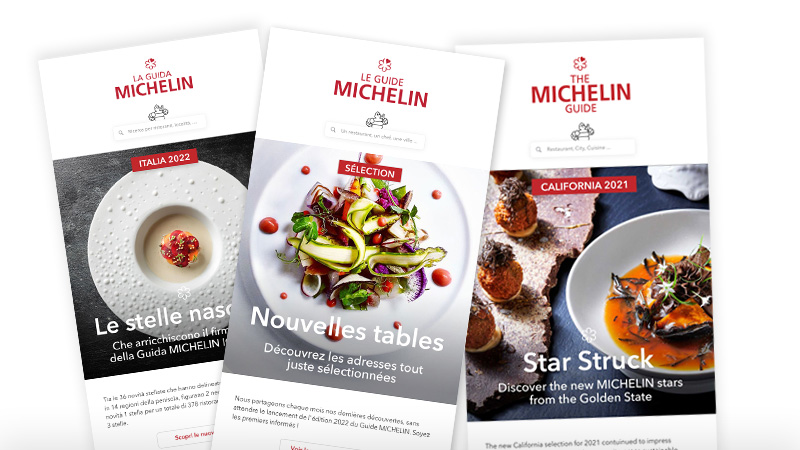
It’s hard to imagine a world where the most trusted authority on fine dining is a tire company. Yet that is exactly the reputation Michelin has built over more than a century. What started as an attempt to encourage early motorists to drive more has evolved into one of the most influential cultural institutions on the planet. Michelin is no longer just a tire manufacturer, it has become a symbol of quality, excellence, and global culinary prestige. The journey from rubber to restaurants wasn’t accidental. It was the result of one of the most brilliantly crafted, long-term marketing strategies in business history.
How It All Started
When the Michelin brothers, André and Édouard, launched their tire company in 1889, the automobile industry was still in its infancy. By 1900, there were barely 3,000 cars in all of France, which posed a significant challenge for a business that relied on motorists. Instead of waiting for the car market to grow on its own, the Michelin brothers asked a clever question: how could they inspire people to drive more often and travel longer distances? This question sparked the creation of the first Michelin Guide in 1900, a free handbook filled with maps, tire repair instructions, listings of hotels, mechanics, petrol stations, and local restaurants.
The guide wasn’t about selling tires directly; it was about encouraging mobility. The more people traveled, the more their tires wore out, and the more tires Michelin sold. It was a classic example of value-first marketing long before the term existed. According to Michelin’s own historical records, the guide was intentionally designed to make driving feel accessible, enjoyable, and worth doing more often.
This subtle shift, focusing on the lifestyle around the product rather than the product itself, became the foundation of Michelin’s marketing brilliance. The guide enhanced people’s driving experiences and, by doing so, positioned Michelin as a partner in adventure rather than just a tire brand.
How Michelin Transformed An Entire Industry
For its first two decades, the Michelin Guide was distributed for free, and it quickly became a trusted companion for motorists. The turning point came in 1920 when André Michelin visited a mechanic’s shop and found copies of the guide being used as makeshift tools, propping up workbenches and being torn for scrap paper. This made him realize that free things were often undervalued. He decided to put a price on the guide.
Once the guide was sold rather than given away, it evolved from a simple motoring resource to a respected travel guide. Michelin began adding curated restaurant listings, detailed descriptions, and eventually professional inspectors who visited establishments anonymously. This transformation elevated the guide’s credibility and made it an authority rather than a handbook.
As dining culture became more prominent in Europe, the Michelin Guide found itself at the intersection of travel, taste, and aspiration. It offered motorists a reason not just to drive, but to explore. Restaurants that made it into the guide saw increased recognition and footfall, while travelers relied on it as a trusted source for planning journeys. Michelin had essentially created a new cultural category, one where travel and gastronomy were intertwined.
The Birth of Michelin Stars: A Genius System That Reinvented Brand Influence
In 1926, Michelin introduced its first star to highlight restaurants “worth a stop.” Five years later, the now iconic three-star system was established, ranking restaurants based on whether they were worth a stop, a detour, or a special journey. With this seemingly simple rating structure, Michelin reshaped fine dining forever.
The star system was more than a review mechanism, it was a sophisticated behavioral tool. By linking the value of restaurants to the distance worth traveling to reach them, Michelin subtly reinforced the act of driving. A three-star restaurant wasn’t just good; it was a destination. Diners had to plan, travel, and explore. And of course, when people traveled, they needed reliable tires.
Over time, the stars became symbols of excellence so powerful that chefs dedicated their lives to earning them. Restaurants saw dramatic increases in revenue and prestige when they were awarded stars, and entire cities began using Michelin ratings as tourism magnets. Forbes estimates that a Michelin star can boost business significantly, transforming unknown restaurants into international attractions.
The star system also cultivated a distinctive mystique. Michelin’s anonymous inspectors became legendary, and their secretive evaluations added a layer of prestige unmatched by other rating systems. The Michelin Stars were no longer a marketing tool, they were a cultural force.
Michelin Goes Global: From French Roads to Worldwide Cultural Influence
As travel expanded in the mid-20th century and globalization accelerated, Michelin recognized an opportunity to extend its influence beyond Europe. The brand launched guides for Italy, the UK, the United States, and eventually Asia and the Middle East, turning the Michelin Guide into a global authority on fine dining.
This expansion had profound effects on both the brand and the regions it entered. In Japan, for example, the launch of the Michelin Guide Tokyo in 2007 caused an international stir. Tokyo suddenly had more starred restaurants than Paris, challenging long-held assumptions about culinary capitals. In Singapore and Hong Kong, the arrival of the guide elevated local hawker stalls to global fame, demonstrating Michelin’s willingness to recognize excellence across all formats, not just white-tablecloth establishments.
Cities soon realized that having Michelin-reviewed restaurants boosted tourism. Governments and tourism boards actively sought Michelin’s presence because the economic benefits were undeniable.
This global expansion did something extraordinary for Michelin. It repositioned the brand far beyond the automotive industry, attaching the Michelin name to the concept of excellence itself. Whether you drive a car or not, you know what a Michelin Star symbolizes. Few brands in the world have achieved this level of cross-industry recognition.
Why Michelin’s Strategy Remains One of the Greatest Marketing Achievements Ever
Michelin’s marketing success is remarkable not simply because it worked, but because of how elegantly and subtly it unfolded. Rather than aggressively promoting tires, the company created a cultural ecosystem that naturally encouraged people to travel. The Michelin Guide offered immense value to readers, and that value generated trust, loyalty, and influence.
By positioning themselves as arbiters of taste rather than sellers of automotive products, Michelin transcended their industry. The brand became associated with quality, rigor, and excellence. Their anonymous inspection system ensured credibility, their geographic expansion increased reach, and their star rankings became the gold standard of fine dining. Even people who have never purchased Michelin tires still recognize the brand as the ultimate judge of culinary quality.
The longevity of the strategy is equally impressive. More than 120 years after the first guide was published, the Michelin Guide remains culturally relevant. Seasons of popular food shows reference Michelin Stars, chefs devote decades to pursuing them, and global travelers still rely on the guide as the definitive source of culinary discovery. Michelin didn’t just create a marketing campaign—it built a legacy.
What Founders Can Learn From Michelin’s Marketing Genius
- Don’t just market your product, market the bigger lifestyle or behavior it enables. Michelin sold travel, not tires.
- Focus on value-rich content that builds trust over time rather than short-term promotions. The guide educated and empowered customers.
- Create standards, not slogans. By defining culinary excellence, Michelin became an authority rather than just another brand.
- Think long-term and be patient. Michelin’s influence grew over decades, not quarters.
- Associate your brand with excellence. When people use your name as a benchmark, your market power becomes self-sustaining.
Read - The Power of Product Metaphors: How Language Quietly Builds (or Breaks) Startup Culture





Weekly
Newsletter.
